NOTIFICATIONSANNOUNCEMENTS ➔➔
➔➔
CONTACT
Click on the Arrows to Go Up or Go Down.
Click Again to Pause Anywhere.
Double Click to Go Non-Stop.
1 / 1
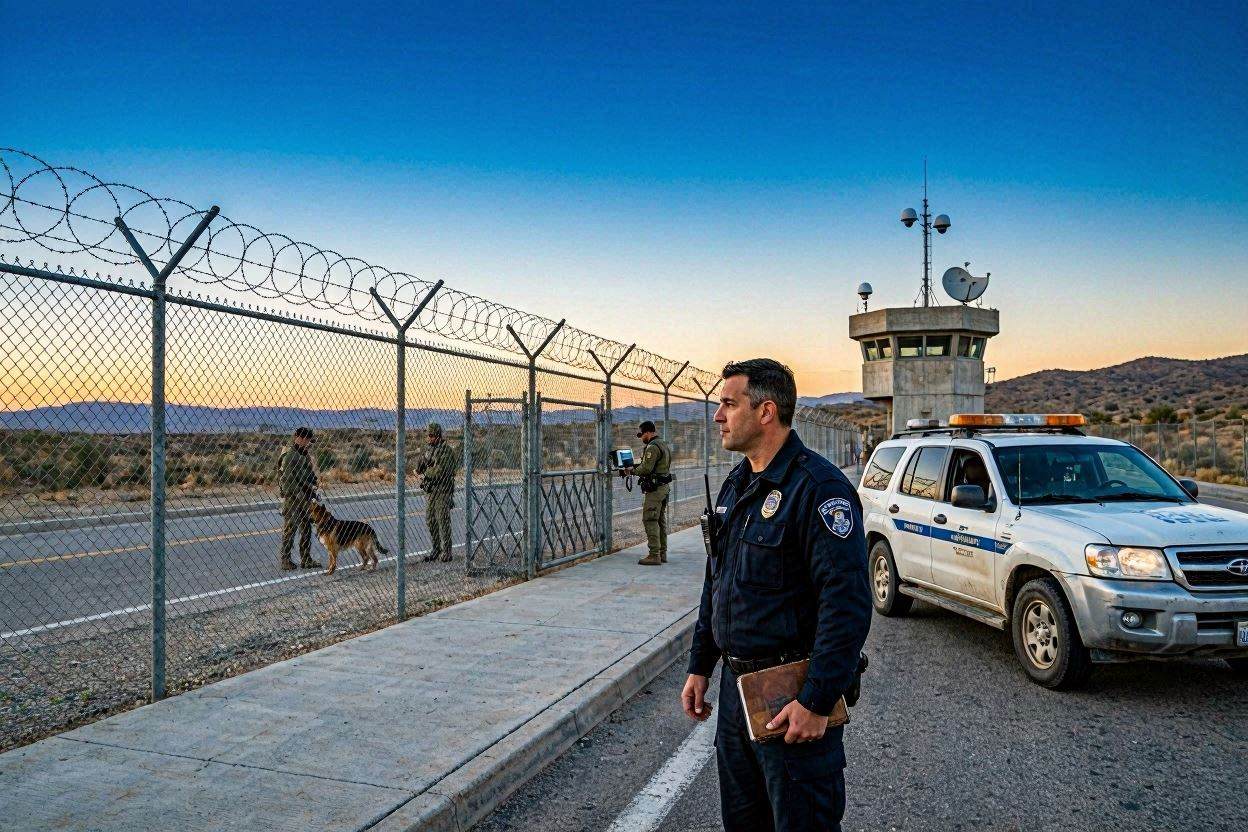
Problem: Borders, Internal Order, and Sovereign Decision-Making are Threatened by External Pressure, Infiltration, Terrorism, Smuggling, and Instability.
Root Cause: Weak Intelligence, Poor Surveillance, Fragile Institutions, Unresolved Disputes, and Limited Defense Readiness.
Strategic Response: Strengthen Border Security, Internal Security, Intelligence Coordination, and Sovereignty Protection.
KPIs: Border Incident Reduction, Internal Security Response Time, Smuggling Reduction, Defense Readiness Score, Citizen Safety Index.
0–12 Months: Threat Mapping, Border Audits, and Intelligence Coordination
1–3 Years: Surveillance Modernization and Security Force Strengthening
3–10 Years: Integrated National Security Architecture

Problem: Countries Struggle with Low Growth, Weak Revenue, Inflation Pressure, and Unstable Public Finances.
Root Cause: Low Productivity, Narrow Tax Base, Weak Industry, Debt Burden, and Poor Fiscal Discipline.
Strategic Response: Build a Diversified Economy with Strong Revenue Systems, Disciplined Spending, and Productive Investment.
KPIs: GDP Growth, Inflation Rate, Fiscal Deficit, Debt-to-GDP Ratio, and Tax Collection Efficiency.
0–12 Months: Fiscal Review, Revenue Leak Identification, and Inflation Control
1–3 Years: Industrial Diversification and Investment Expansion
3–10 Years: Stable, Broad-Based Economic Growth
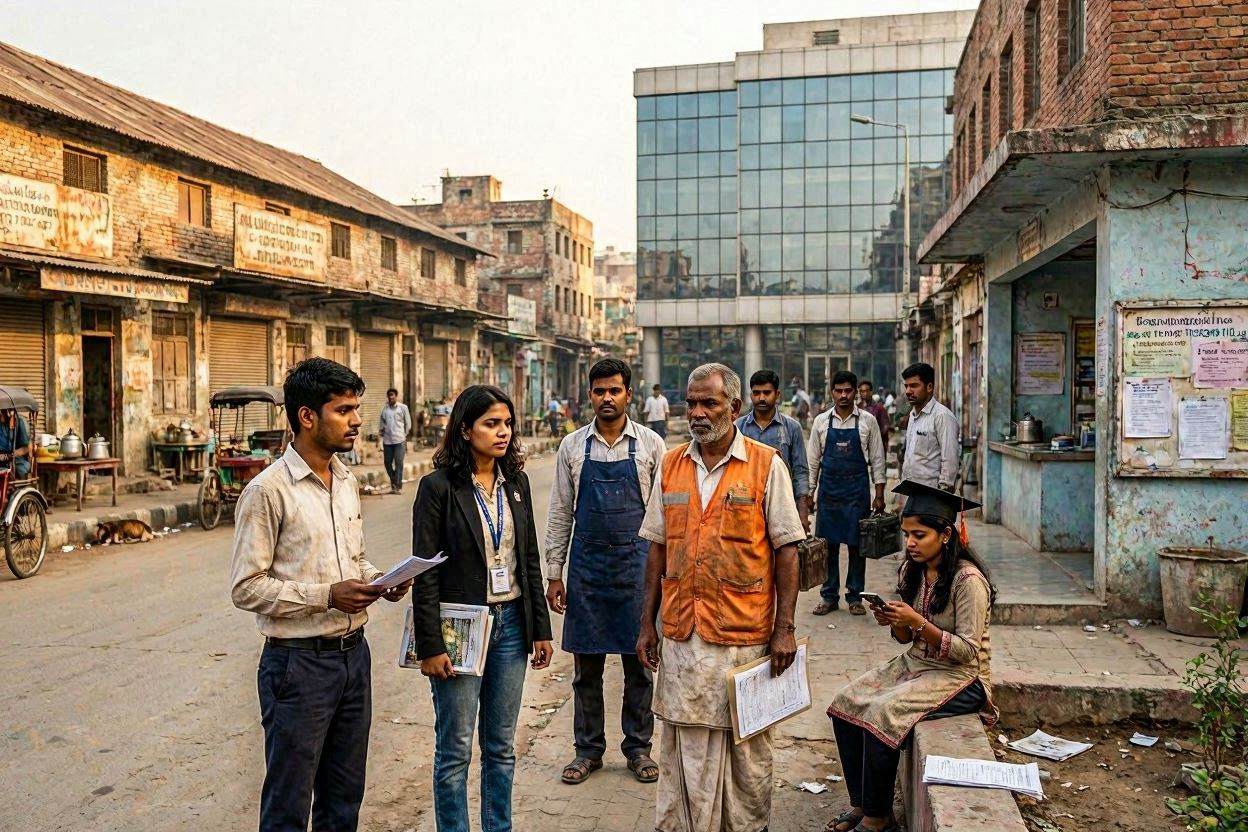
Problem: Citizens are Unable to Find Enough Meaningful Work, and Many Available Jobs do not Match the Skills of the Workforce.
Root Cause: Weak Job Creation, Outdated Education, Poor Industry Linkage, and Limited Entrepreneurship Support.
Strategic Response: Align Education, Training, Enterprise Development, and Labor Market Planning.
KPIs: Unemployment Rate, Youth Unemployment, Formal Job Creation, Skill Certification, and Employer Satisfaction.
0–12 Months: Labor Market Diagnosis and High-Demand Skill Mapping
1–3 Years: Vocational Expansion and Enterprise Support
3–10 Years: Workforce Aligned with National Growth Sectors

Problem: Wealth, Services, and Opportunity are Concentrated in Some Regions while Others Remain Trapped in Deprivation.
Root Cause: Unequal Infrastructure, Poor Access to Education and Capital, Weak Local Economies, and Social Exclusion.
Strategic Response: Target Underdeveloped Regions with Infrastructure, Livelihood, and Inclusion Programs.
KPIs: Poverty Rate Reduction, Regional Development Index, Household Income Growth, Access to Services, and Rural Uplift Rate.
0–12 Months: Poverty Mapping and Priority Region Selection
1–3 Years: Local Development Clusters and Livelihood Programs
3–10 Years: Balanced Regional Growth and Social Mobility
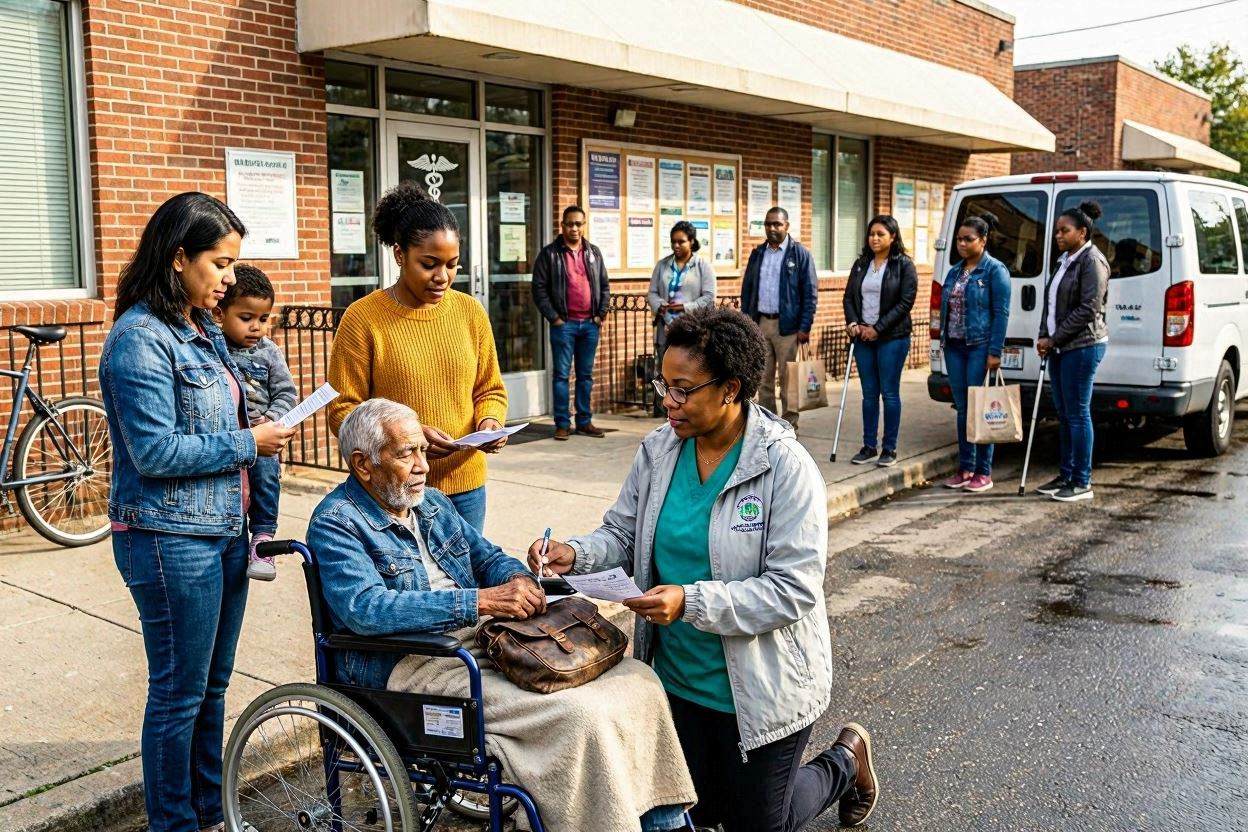
Problem: Many Citizens Lack Timely, Affordable, and Quality Healthcare.
Root Cause: Urban Concentration of Services, Weak Primary Care, Shortage of Professionals, and Poor Prevention Systems.
Strategic Response: Build Accessible, Preventive, and Scalable Healthcare Systems Nationwide.
KPIs: Life Expectancy, Maternal and Infant Mortality, Vaccination Coverage, Primary Care Access, and Emergency Response Time.
0–12 Months: Health Access Assessment and Screening Expansion
1–3 Years: Primary Care Strengthening and Digital Health Rollout
3–10 Years: Universal, Resilient Health Networks

Problem: Access to Education does not Always Translate into Real Learning, Employability, or Leadership Capacity.
Root Cause: Weak Teaching Quality, Outdated Curricula, Poor Infrastructure, and Limited Vocational Integration.
Strategic Response: Rebuild Education around Learning Outcomes, Practical Skills, and National Capability.
KPIs: Literacy Rate, Completion Rate, Learning Outcomes, Teacher Quality, and Employability Rate.
0–12 Months: Learning Gap Diagnostics and Teacher Support
1–3 Years: Curriculum Modernization and Skill Integration
3–10 Years: Lifelong Talent Development System
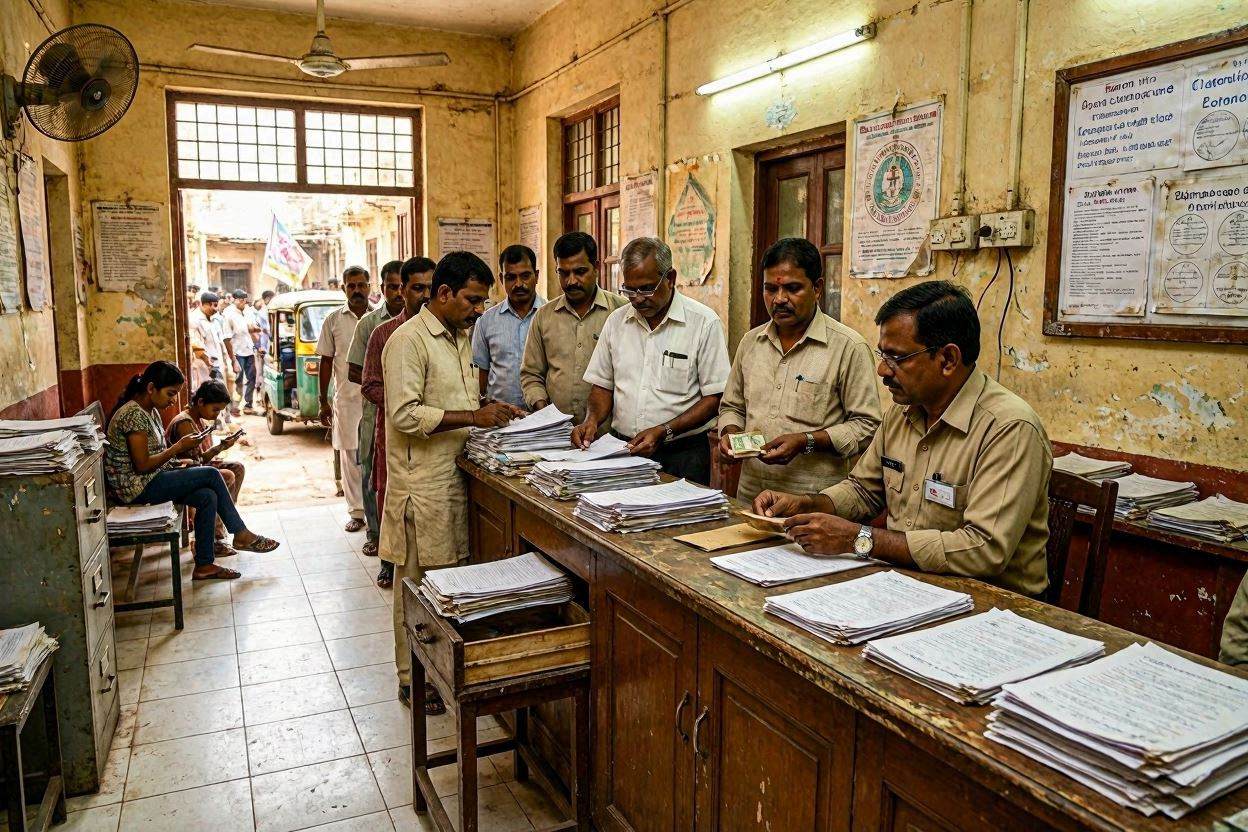
Problem: Public Trust and National Performance Decline when Institutions are Inefficient, Opaque, and Corrupt.
Root Cause: Weak Accountability, Political Interference, Poor Transparency, and Low Civic Discipline.
Strategic Response: Build Transparent, Digitized, Measurable, and Citizen-Facing Governance Systems.
KPIs: Corruption Perception Improvement, Service Delivery Speed, Audit Compliance, Complaint Resolution Rate, and Public Trust Index.
0–12 Months: Process Digitization and Transparency Reforms
1–3 Years: Oversight Strengthening and Anti-Corruption Systems
3–10 Years: Performance-Driven Governance Culture
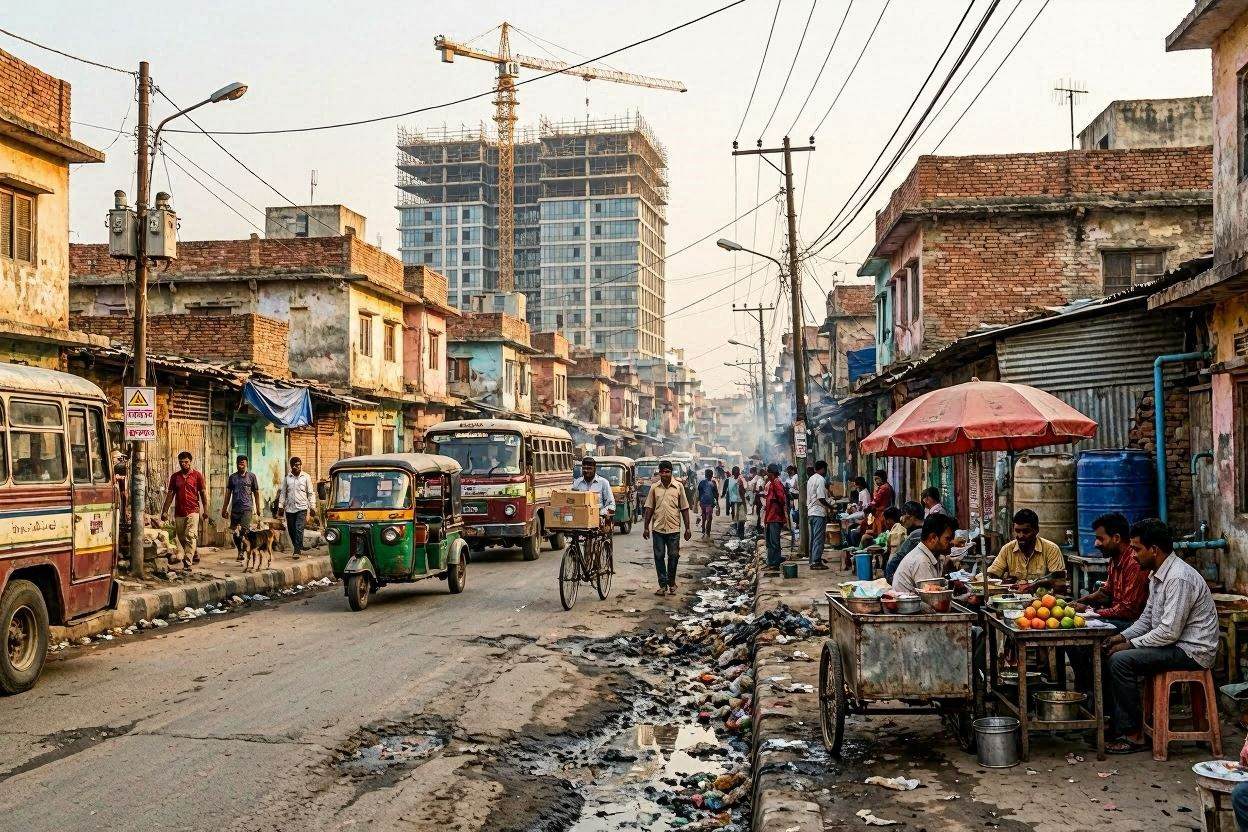
Problem: Roads, Rail, Ports, Power, Water, Housing, and Sanitation Systems Often Lag behind Population and Economic Needs.
Root Cause: Underinvestment, Poor Planning, Fragmented Execution, and Rapid Urbanization.
Strategic Response: Build Integrated Infrastructure with Long-Term Planning and Regional Balance.
KPIs: Infrastructure Coverage, Power Reliability, Logistics Efficiency, Housing Access, and Water and Sanitation Access.
0–12 Months: Infrastructure Gap Assessment and Priority Corridor Planning
1–3 Years: Accelerated Buildout in Critical Sectors
3–10 Years: Smart, Connected, and Resilient National Infrastructure

Problem: Identity Conflict, Mistrust, and Polarization Weaken National Unity and Social Cooperation.
Root Cause: Inequality, Historical Grievances, Poor Communication, Misinformation, and Weak Civic Identity.
Strategic Response: Strengthen Shared National Purpose, Dialogue, Fairness, and Social Cohesion.
KPIs: Trust Levels, Conflict Reduction, Civic Participation, Hate Speech Reduction, and Social Inclusion Indicators.
0–12 Months: Dialogue Frameworks and Cohesion Mapping
1–3 Years: Civic Education and Inclusion Programs
3–10 Years: Stronger National Identity and Trust Culture
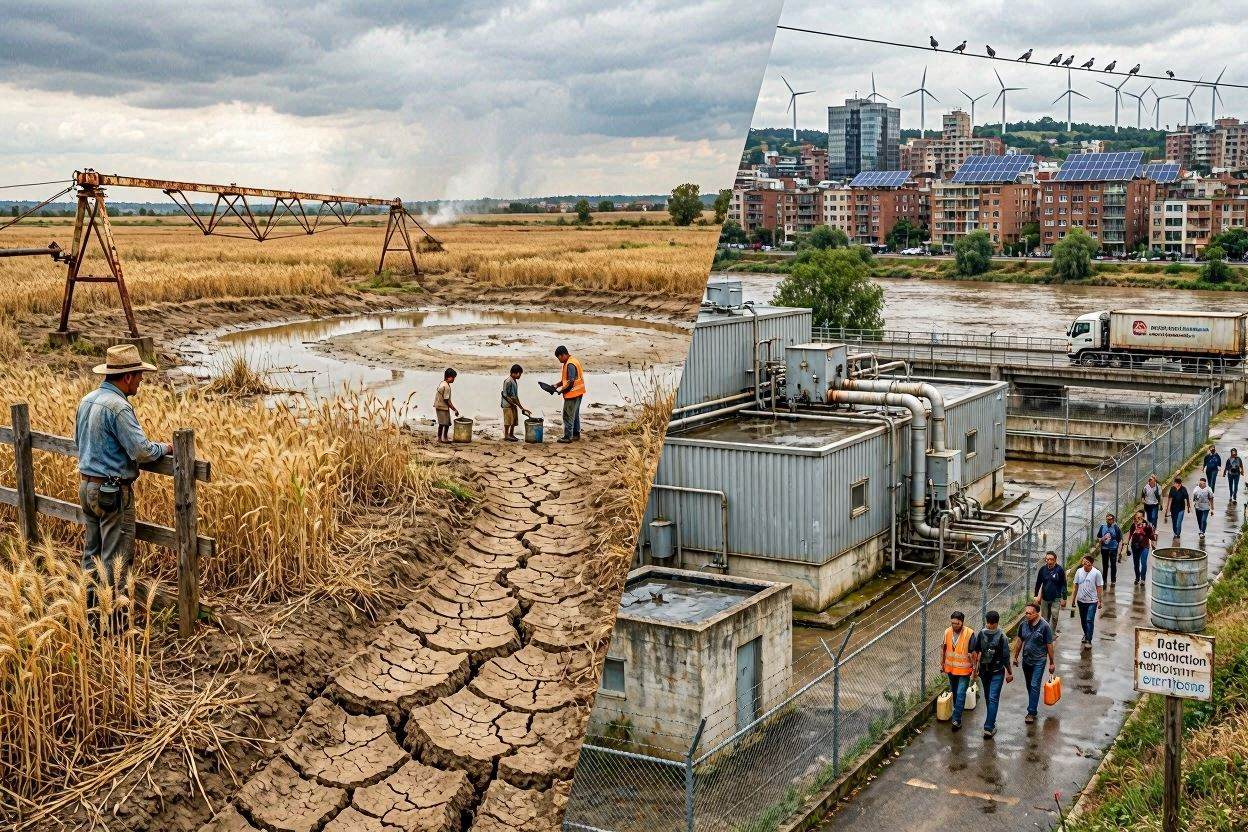
Problem: Climate Shocks, Water Stress, Food Vulnerability, and Energy Dependence Threaten National Stability.
Root Cause: Unsustainable Resource Use, Weak Environmental Planning, Pollution, and Dependence on External Supply Chains.
Strategic Response: Build Climate Resilience, Resource Efficiency, and Long-Term Sustainability Systems.
KPIs: Emissions Levels, Water Security, Food Security, Renewable Energy Share, and Disaster Loss Reduction.
0–12 Months: Climate Risk Mapping and Resilience Planning
1–3 Years: Renewable, Water, and Food Security Investments
3–10 Years: Resource-Secure and Climate-Resilient National Systems
A. Diagnose
Identify the Actual National Problem, not Just the Visible Symptom.
B. Design
Build Policy and Strategy with Clear Objectives, Ownership, and Measurable Outcomes.
C. Deploy
Convert Strategy into Programs, Institutions, Pilots, and Field Execution.
D. Measure
Track Outcomes through Dashboards, Audits, and Public Reporting.
E. Improve
Refine Continuously using Evidence, Citizen Feedback, and Performance Data.
Phase 1: Security and Stability
Borders, Internal Safety, Law and Order, and Governance
Phase 2: Survival and Services
Food, Health, Education, Water, Sanitation, and Housing
Phase 3: Prosperity and Productivity
Jobs, Industry, Trade, Infrastructure, and Investment
Phase 4: Resilience and Legacy
Climate Readiness, Institutional Strength, Digital Safety, and Long-Term Sovereignty