NOTIFICATIONSANNOUNCEMENTS ➔➔
➔➔
CONTACT
Click on the Arrows to Go Up or Go Down.
Click Again to Pause Anywhere.
Double Click to Go Non-Stop.
1 / 1
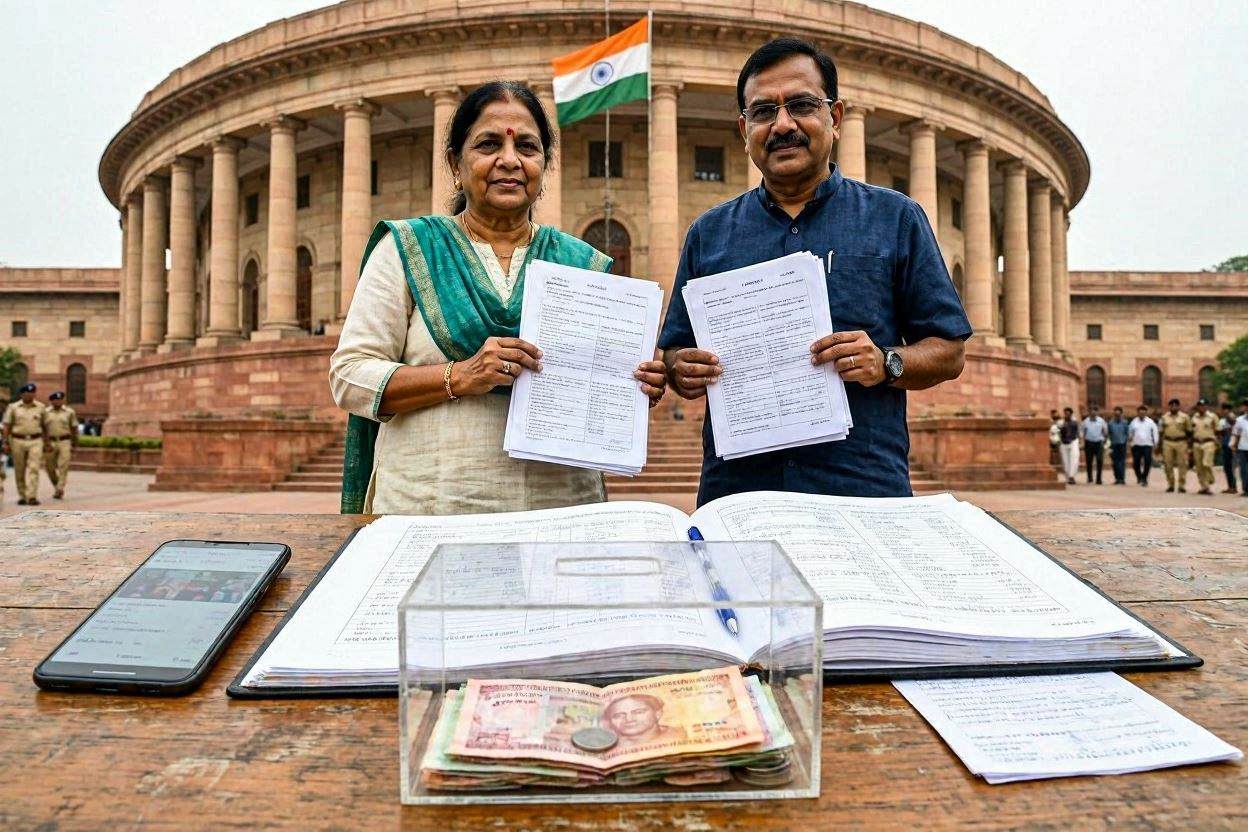
Problem: Parties Need Large Amounts of Money for Campaigns, Staffing, Outreach, and Organization, but Funding can Become Opaque or Overly Dependent on a Few Donors.
Root Cause: Weak Disclosure Systems, High Campaign Costs, and Incentives for Hidden Influence.
Strategic Response: Build Transparent Political Finance Systems with Clear Reporting, Donation Tracking, and Public Accountability.
KPIs: Funding Disclosure Rate, Donor Concentration Ratio, Audit Compliance, Public Trust Score, and Spending Transparency Score.
0–12 Months: Map Funding Sources and Disclosure Gaps
1–3 Years: Strengthen Reporting and Oversight Systems
3–10 Years: Create Durable, Transparent Finance Architecture
India-Specific Note: The Election Commission of India Registers Political Parties under Section 29A of the Representation of the People Act, 1951, and has Also Digitized Party Registration through its Tracking System; Political Finance Transparency Remains a Major Reform Concern in India as Well.
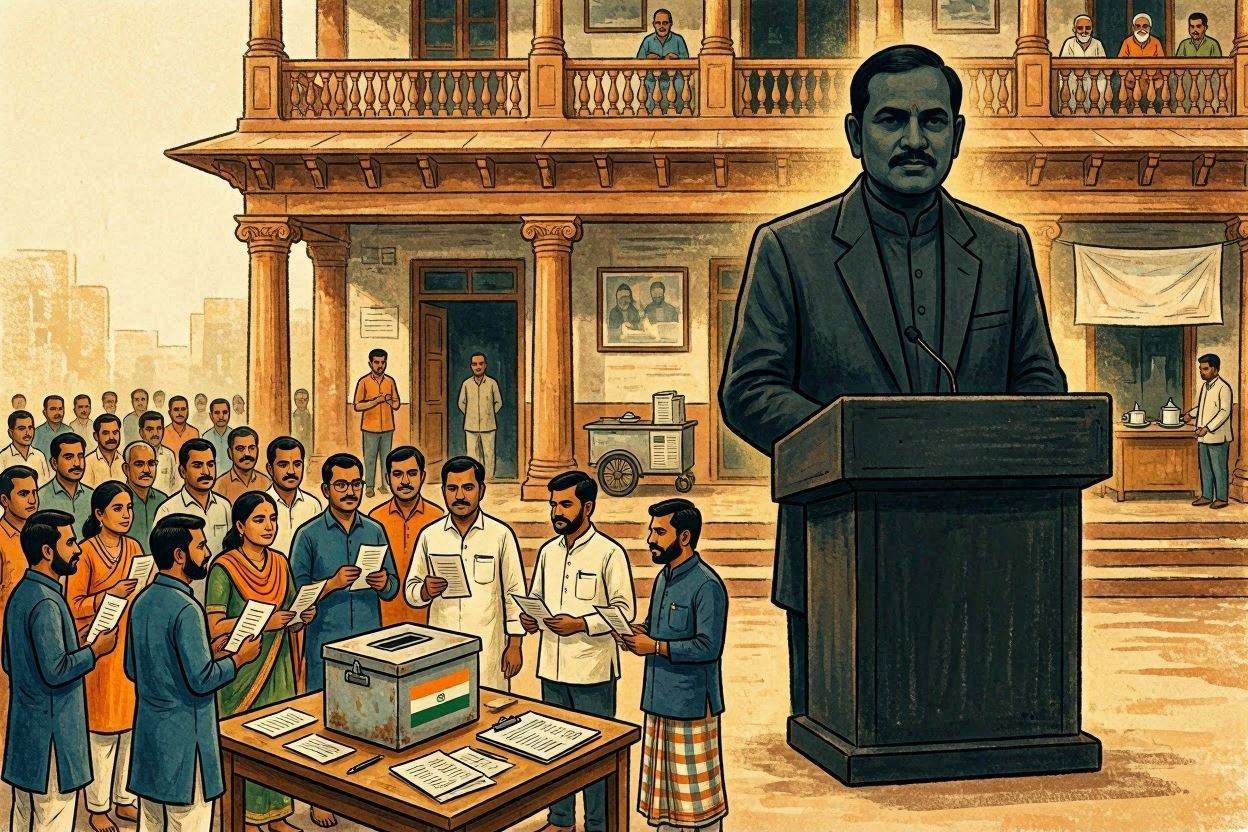
Problem: Many Parties are Controlled by a Small Leadership Circle, which Weakens Debate and Talent Development.
Root Cause: Centralized Command Structures, Weak Internal Elections, and Over-Personalization of Leadership.
Strategic Response: Strengthen Internal Democracy, Leadership Rotation, and Merit-Based Candidate and Office Selection.
KPIs: Internal Election Frequency, Leadership Diversity, Candidate Competition Rate, Dissent Tolerance Score, and Youth Leadership Share.
0–12 Months: Review Internal Rules and Selection Processes
1–3 Years: Introduce Stronger Internal Elections and Consultation
3–10 Years: Build a Deeper Leadership Pipeline
International IDEA has Long Treated Internal Party Democracy and Candidate Recruitment as a Strategic Issue for Democratic Functioning.
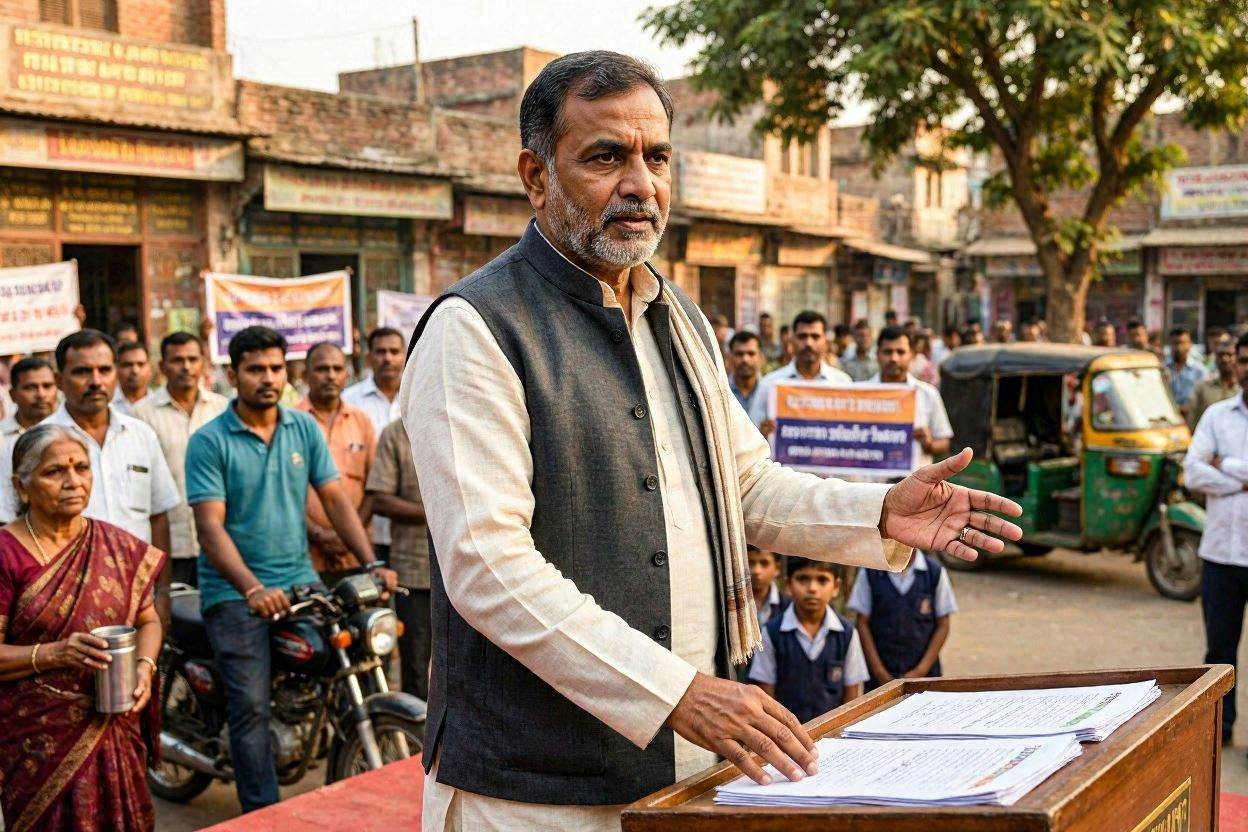
Problem: Parties may Feel Pressure to Nominate Candidates with Criminal Allegations because of their Perceived Electoral Strength.
Root Cause: Weak Screening, Winnability Pressure, and Low Institutional Penalties for Poor Candidate Quality.
Strategic Response: Create Ethical Candidate Filters, Legal Vetting, and Public Credibility Standards.
KPIs: Candidate Screening Completion Rate, Share of Candidates with Pending Criminal Cases, Public Approval Score, and Candidate Replacement Rate.
0–12 Months: Tighten Candidate Due Diligence
1–3 Years: Institutionalize Ethics and Screening Committees
3–10 Years: Build a Reputation for Clean Politics
In India, PRS has Repeatedly Highlighted Criminalization of Politics as a Major Issue, Noting the Large Share of MPs and MLAs Facing Criminal Proceedings in its Analysis.
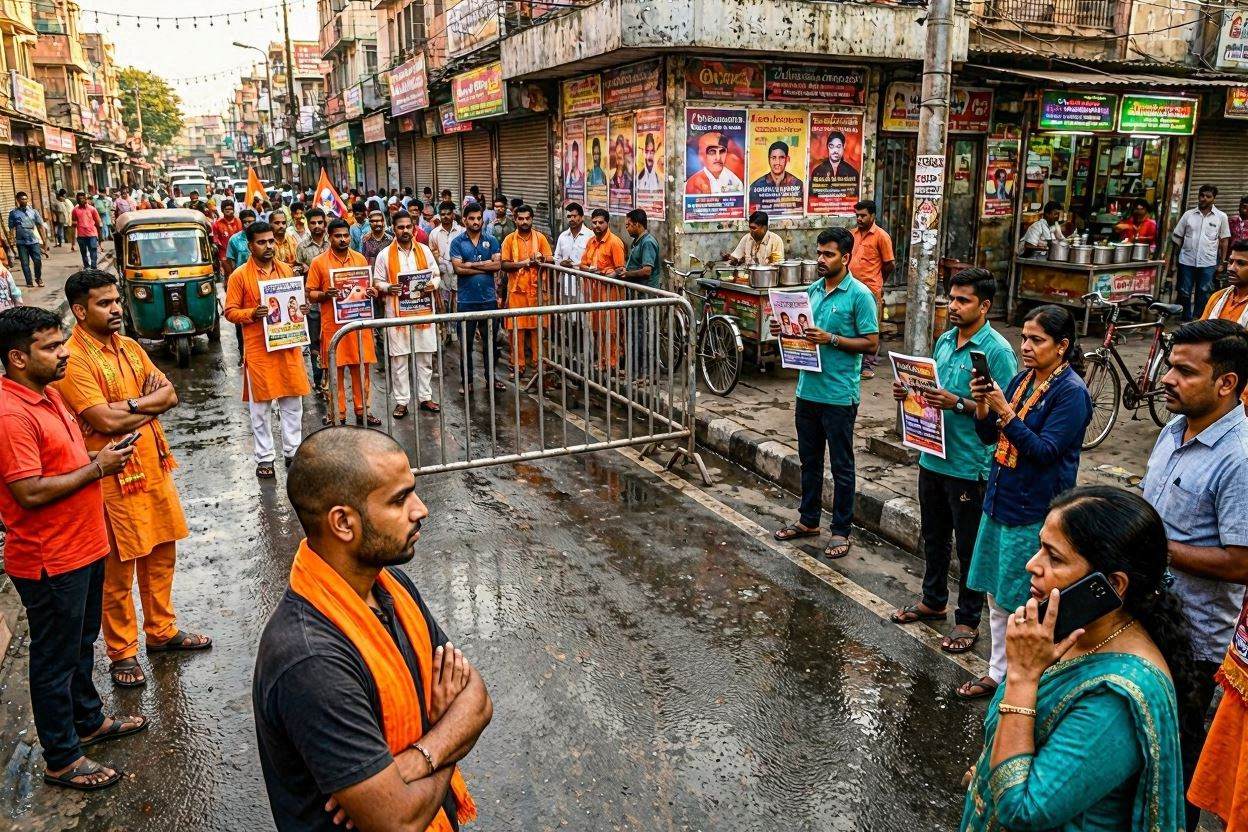
Problem: Parties Often Rely on Religion, Caste, Ethnicity, Region, or Ideology to Mobilize Support, which can Deepen Social Division.
Root Cause: Competitive Pressure to Create Strong In-Group Support, Weak Trust, and Fragmented Public Discourse.
Strategic Response: Balance Identity-Based Mobilization with Issue-Based Policy, Inclusion, and Social Cohesion Messaging.
KPIs: Polarization Index, Cross-Group Support, Trust Levels, Hate-Speech Incidents, and Issue-Based Engagement Share.
0–12 Months: Audit Messaging and Polarization Risks
1–3 Years: Shift toward Policy-Led Campaigning
3–10 Years: Build Broader Civic Identity around Shared Interests
International IDEA Identifies Polarization and Disinformation as Major Threats to Democracy and Party Systems Worldwide.
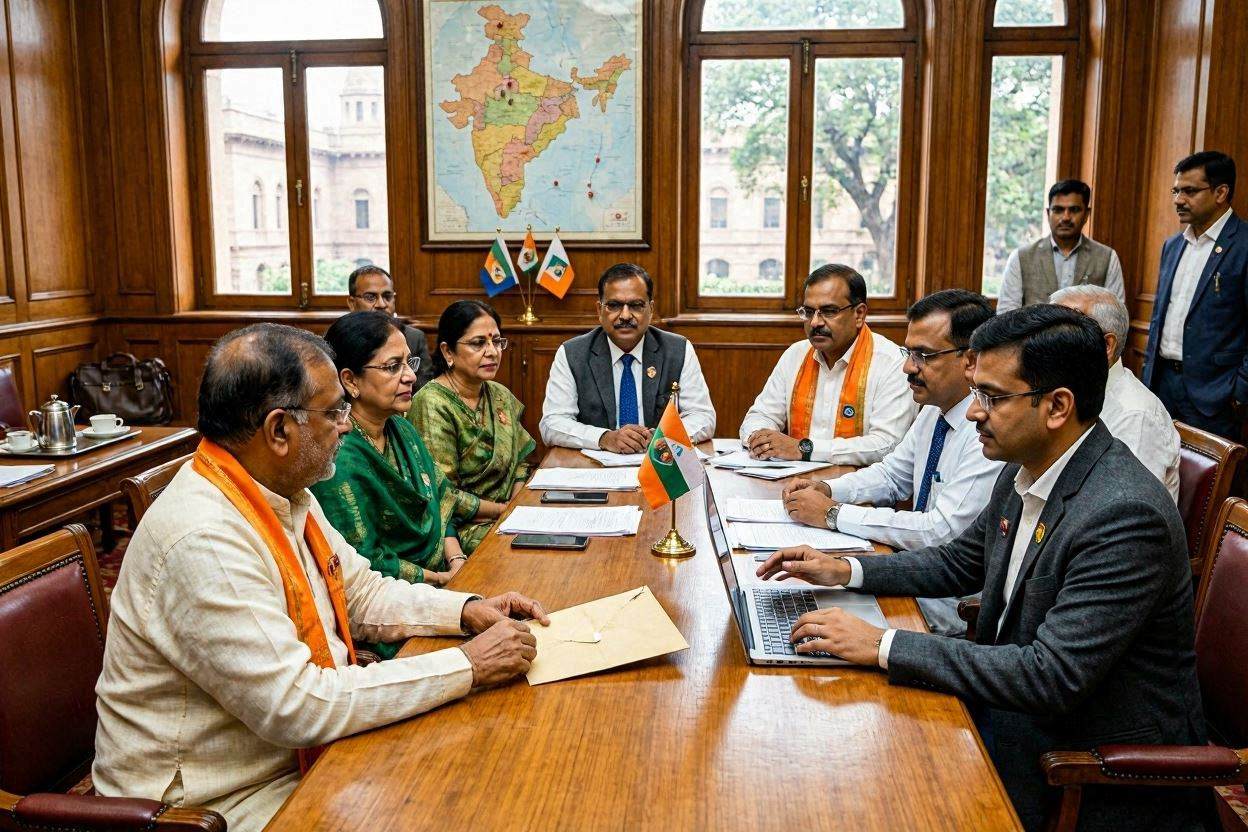
Problem: Parties in Multiparty Systems Must Manage Alliances, Seat-Sharing, and Legislative Loyalty, and Coalition Instability can Derail Governance.
Root Cause: Divergent Agendas, Weak Discipline, Personal Incentives, and Unstable Bargaining Structures.
Strategic Response: Negotiate Clearer Alliances, Strengthen Coalition Governance, and Improve Internal Loyalty Mechanisms.
KPIs: Alliance Stability Rate, Defection Rate, Government Longevity, Coalition Agreement Compliance, and Vote Discipline Score.
0–12 Months: Define Alliance Red Lines and Negotiation Rules
1–3 Years: Improve Coalition Management Systems
3–10 Years: Build Durable Alliance Architecture
India-Specific Note: PRS has Noted that the Anti-Defection Law was Intended to Curb Defections, but it has Also Been Criticized for Suppressing Healthy Intra-Party Debate and not Fully Eliminating Defection Behavior.

Problem: Parties now Compete in a Media Environment where Short-Form Content, Misinformation, and Online Outrage can Dominate Politics.
Root Cause: Attention-Driven Platforms, Weak Digital Literacy, and Poorly Governed Online Political Finance and Campaigning.
Strategic Response: Build Fact-Based Communication, Digital Discipline, and Transparent Online Campaigning Systems.
KPIs: Message Reach, Engagement Quality, Misinformation Response Time, Digital Compliance Rate, and Content Trust Score.
0–12 Months: Build Digital Communication Controls
1–3 Years: Create a Strong Online Narrative System
3–10 Years: Establish Trusted Digital Political Communication
International IDEA’s Work on Political Finance in the Digital Age Says Campaign Finance Rules Face Similar Challenges Across Countries, and its India Case Study Focuses on Gaps in Online Campaigning and the Need for Fair, Transparent Digital Electoral Environments.

Problem: Parties Must Comply with Registration, Recognition, Conduct, and Election-Period Rules, and Smaller Parties Often Struggle with the Paperwork Burden.
Root Cause: Complex Legal Obligations, Weak Internal Compliance Capacity, and Frequent Changes in Election Administration Requirements.
Strategic Response: Build a Permanent Compliance Function with Legal, Filing, and Election-Readiness Capability.
KPIs: Filing Compliance Rate, Registration/Recognition Status Accuracy, Audit Readiness, Notice Response Time, and Rule-Violation Count.
0–12 Months: Map all Legal Obligations
1–3 Years: Professionalize Compliance Operations
3–10 Years: Maintain a Low-Risk Regulatory Profile
India-Specific Note: The Election Commission of India Issues the Model Code of Conduct for Political Parties and Candidates, and it Also Manages Registration of Political Parties under Section 29A.
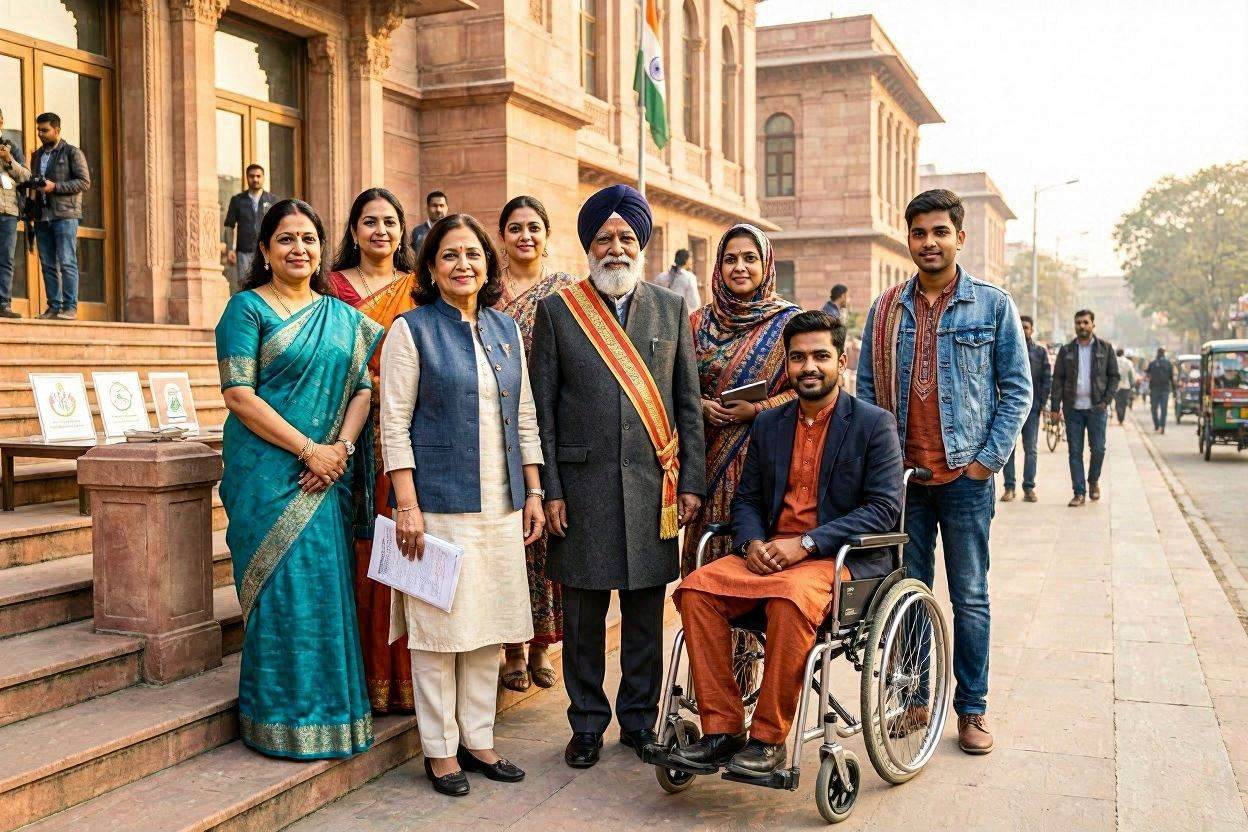
Problem: Parties are Often Criticized for Under-Representing Women, Youth, Minorities, and Newer Voices in Leadership and Candidate Lists.
Root Cause: Gatekeeping, Old Networks, Risk Aversion, and Limited Succession Planning.
Strategic Response: Build Inclusion Targets, Talent Pipelines, and Leadership Development Programs.
KPIs: Women Candidate Share, Youth Leadership Share, Diversity Metrics, Internal Promotion Rate, and Inclusion Satisfaction Score.
0–12 Months: Set Inclusion Baseline and Targets
1–3 Years: Expand Talent Pipelines and Mentoring
3–10 Years: Create a Visibly Diverse Leadership Culture
IDEA’s Democracy Work Consistently Emphasizes Participation and Representation as Core Democratic Functions, while India’s Ongoing Debates around Party Reform and Representation Make this a Live Strategic Issue.

Problem: Many Parties are Highly Campaign-Driven but Weak in Year-Round Organization, Training, and Field Presence.
Root Cause: Overreliance on Election Cycles, Weak Local Structures, and Inadequate Volunteer Systems.
Strategic Response: Build Grassroots Organization, Training Academies, and Local Leadership Strength.
KPIs: Active Cadre Count, Local Chapter Strength, Volunteer Retention, Training Completion, and Event Participation.
0–12 Months: Audit Local Organization Strength
1–3 Years: Build Training and Cadre Systems
3–10 Years: Create a Durable Mass Organization
International IDEA Notes that Political Parties Remain Central Vehicles for Candidate Nomination and Democratic Representation, which Makes Organizational Depth a Strategic Necessity rather than a Luxury.
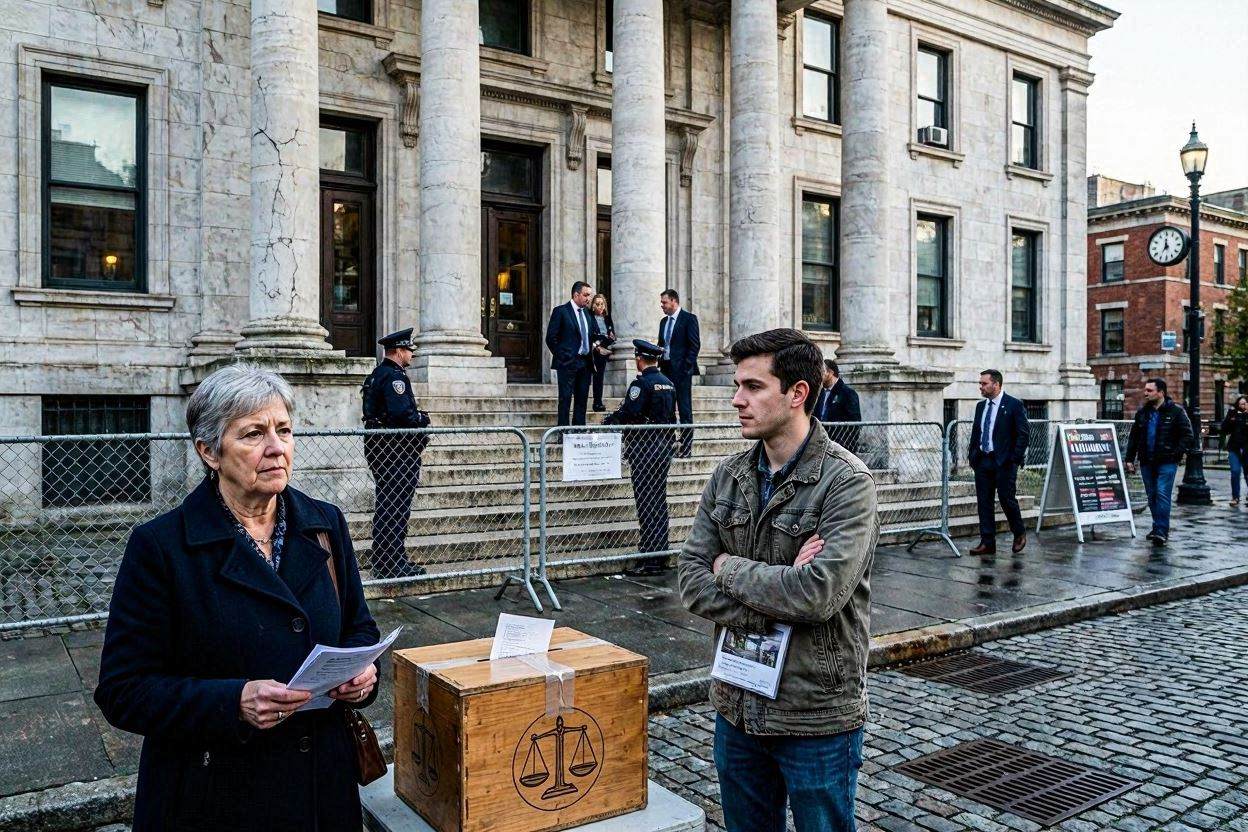
Problem: When Parties Appear Self-Serving, Opaque, or Ineffective, Public Trust Erodes and Democracy Weakens.
Root Cause: Corruption, Polarization, Weak Internal Democracy, and Failure to Deliver Credible Governance.
Strategic Response: Rebuild Legitimacy through Transparency, Ethics, Issue-Based Politics, and Credible Performance.
KPIs: Trust Index, Approval Rating, Participation Rate, Complaint Volume, and Democratic Legitimacy Score.
0–12 Months: Improve Transparency and Communication
1–3 Years: Strengthen Ethics and Policy Credibility
3–10 Years: Build a Trusted Long-Term Democratic Brand
International IDEA Has Warned about Democratic Backsliding, Polarization, and Disinformation as Major Global Pressures on Democracy, Including in Large Democracies such as India.
A. Diagnose
Identify the Real Political Weakness: Money, Trust, Organization, Candidate Quality, or Governance.
B. Design
Create Clear Party Systems for Funding, Nominations, Communication, Inclusion, and Compliance.
C. Deploy
Turn Strategy into Field Organization, Digital Systems, Campaign Discipline, and Leadership Pipelines.
D. Measure
Track Trust, Compliance, Candidate Quality, Funding Transparency, and Organizational Strength.
E. Improve
Refine the Party Continuously using Election Outcomes, Public Feedback, and Internal Performance Reviews.
Phase 1: Legitimacy and Compliance
Transparency, Ethics, Registration, Election Rules, and Trust
Phase 2: Organization and Talent
Cadre Building, Internal Democracy, Candidate Quality, and Inclusion
Phase 3: Competition and Communication
Campaigning, Digital Strategy, Coalition Management, and Issue Positioning
Phase 4: Long-Term Power with Responsibility
Institutional Strength, Public Credibility, Governance Capability, and Democratic Resilience