NOTIFICATIONSANNOUNCEMENTS ➔➔
➔➔
CONTACT
Click on the Arrows to Go Up or Go Down.
Click Again to Pause Anywhere.
Double Click to Go Non-Stop.
1 / 1
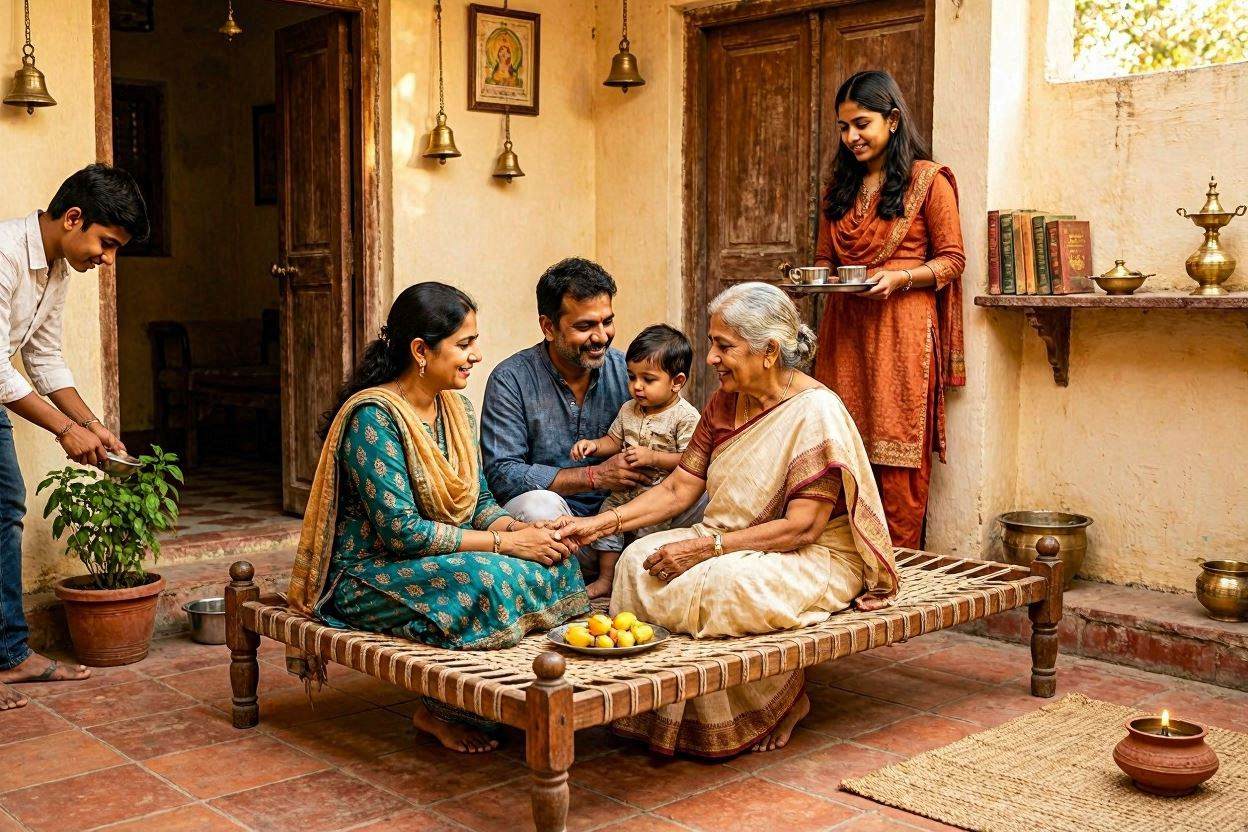
Problem: A Family may Live under One Roof, Yet Remain Emotionally Distant, Guarded, or Silently Divided.
Root Cause: Lack of Time, Weak Communication, Unresolved Hurt, Comparison, Ego, and Emotional Neglect.
Strategic Response: Build Daily Habits of Warmth, Listening, Presence, Forgiveness, and Shared Family Time.
KPIs: Family Trust Level, Conflict Frequency, Quality Time Together, Emotional Openness, and Reconciliation Rate.
0–12 Months: Improve Communication and Shared Rituals
1–3 Years: Deepen Trust and Emotional Stability
3–10 Years: Build a Family Culture of Closeness and Support
A Legacy Feels Alive when Family Members Remember Not Just What was Provided, but How Safe They Felt in Each Other’s Presence.
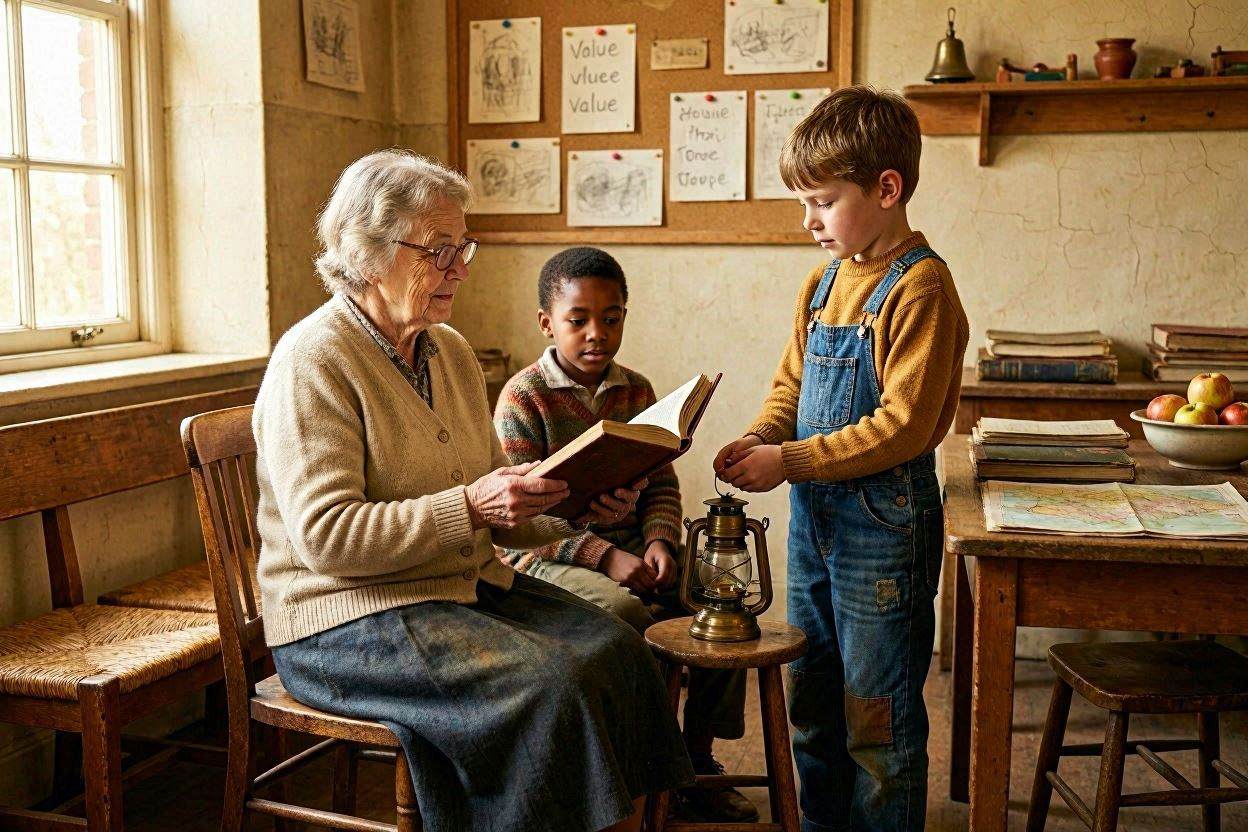
Problem: Children may Inherit Assets but Not the Character that Made Those Assets Meaningful.
Root Cause: Values are Spoken but Not Lived, or Discipline is Taught Without Love.
Strategic Response: Model Honesty, Compassion, Responsibility, Humility, and Courage in Daily Life.
KPIs: Behavioral Consistency, Respect Shown Across Generations, Value Retention, and Family Conduct Reputation.
0–12 Months: Define Core Family Values Clearly
1–3 Years: Reinforce Values through Actions and Family Decisions
3–10 Years: Make Values Part of Family Identity
A Family’s Deepest Inheritance is Often Not Money. It is the Way Children Learn to Live when Nobody is Watching.
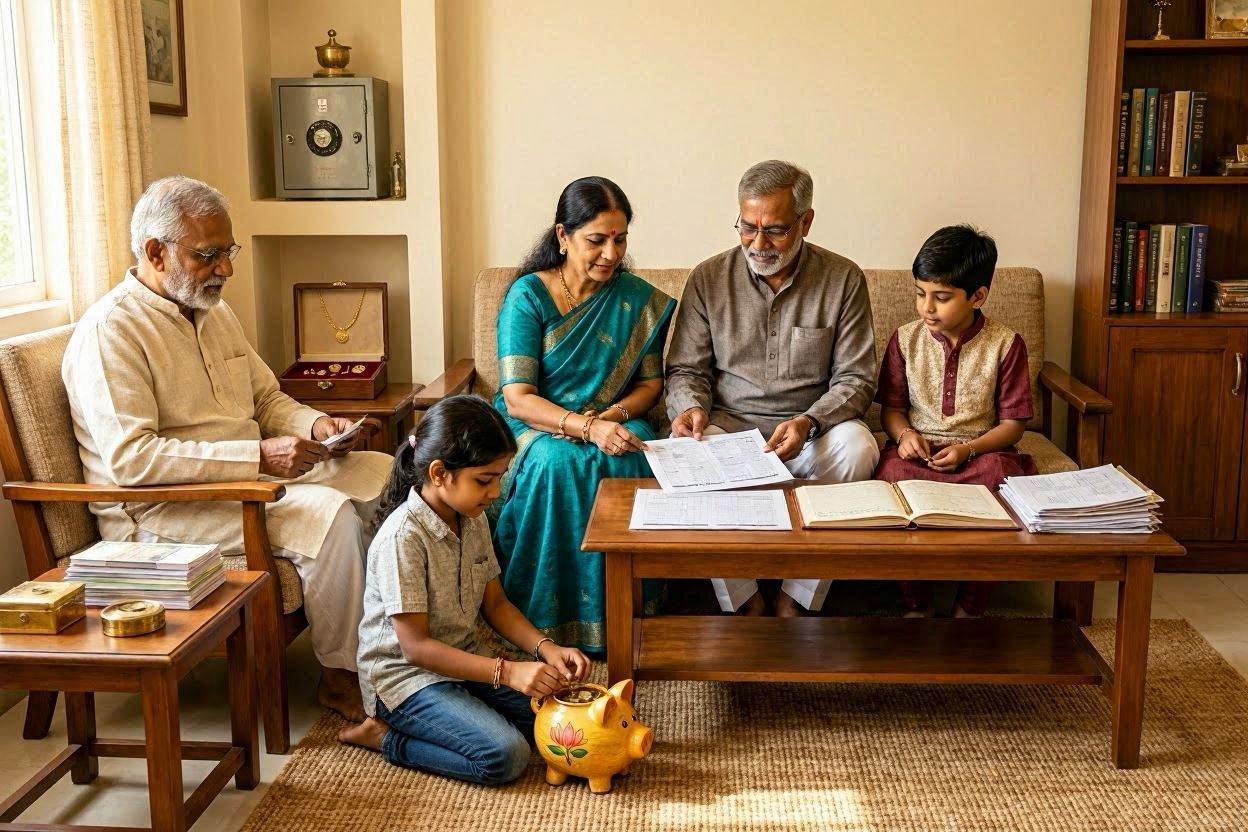
Problem: Wealth Without Wisdom can Create Fear, Greed, Dependency, or Conflict.
Root Cause: Money is Accumulated Faster than the Family Learns How to Protect and Use It.
Strategic Response: Treat Money as a Responsibility, Not a Trophy. Build Financial Discipline, Reserves, and Purpose-Led Wealth Use.
KPIs: Savings Rate, Debt Control, Reserve Creation, Wealth Continuity, and Responsible Spending Patterns.
0–12 Months: Organize Financial Records and Priorities
1–3 Years: Build Reserve and Investment Discipline
3–10 Years: Create Intergenerational Financial Stability
Money Should Feel like a Shield for the Family, Not a Reason for Fear or Rivalry.

Problem: Unclear Inheritance Planning can Turn Grief into Conflict.
Root Cause: Delay, Silence, Assumptions, Favoritism, and Lack of Legal Clarity.
Strategic Response: Make Ownership, Succession, and Inheritance Decisions Early, Clearly, and with Dignity.
KPIs: Documentation Completion Rate, Dispute Reduction, Clarity of Succession, and Family Acceptance Level.
0–12 Months: Document Key Assets and Intentions
1–3 Years: Finalize Inheritance and Succession Planning
3–10 Years: Maintain Clarity and Family Understanding
A Fair Plan may Not Remove Emotion, but It can Prevent Heartbreak from Becoming Permanent Division.

Problem: A Family may Have Assets, but No Prepared Successor to Carry the Mission Forward.
Root Cause: The Current Leader Holds Too Much Control, or the Next Generation is Not Trained Early Enough.
Strategic Response: Gradually Transfer Responsibility, Judgment, and Leadership while the Founder is Still Present.
KPIs: Successor Readiness Score, Leadership Transition Smoothness, Decision-Making Capability, and Continuity of Operations.
0–12 Months: Identify Future Custodians
1–3 Years: Train and Empower Them Gradually
3–10 Years: Complete Smooth Transition of Responsibility
Legacy Survives when Responsibility is Handed over with Love and Confidence, Not Fear.
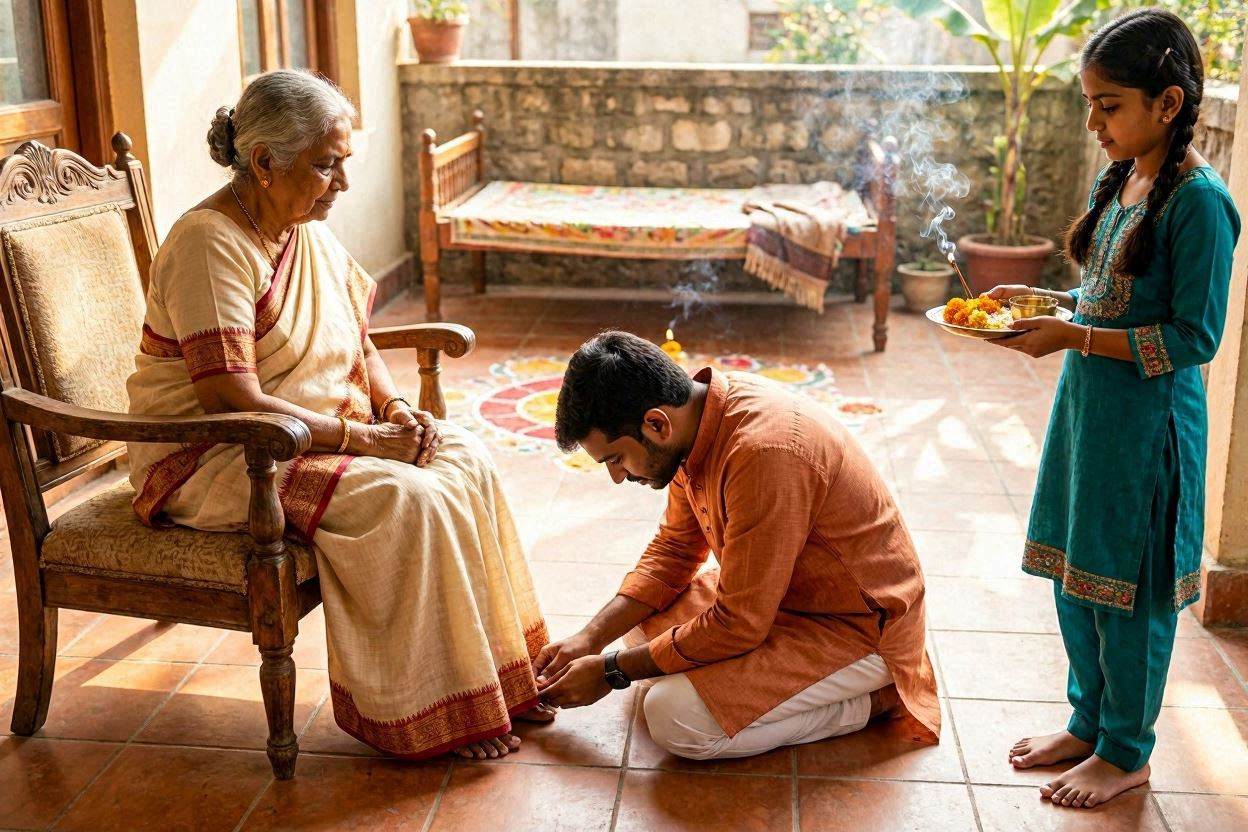
Problem: Different Generations Often Misunderstand Each Other and Feel Unseen.
Root Cause: Changing Values, Different Life Stages, Communication Gaps, and Emotional Distance.
Strategic Response: Create a Culture where Elders are Honored and Younger Voices are Heard.
KPIs: Intergenerational Respect Score, Communication Frequency, Mentorship Participation, and Conflict Reduction.
0–12 Months: Establish Respectful Family Dialogue
1–3 Years: Strengthen Mentoring Across Generations
3–10 Years: Build a Culture of Mutual Dignity
A Beautiful Legacy Does Not Silence the Young or Ignore the Old. It Makes Both Feel Valued.
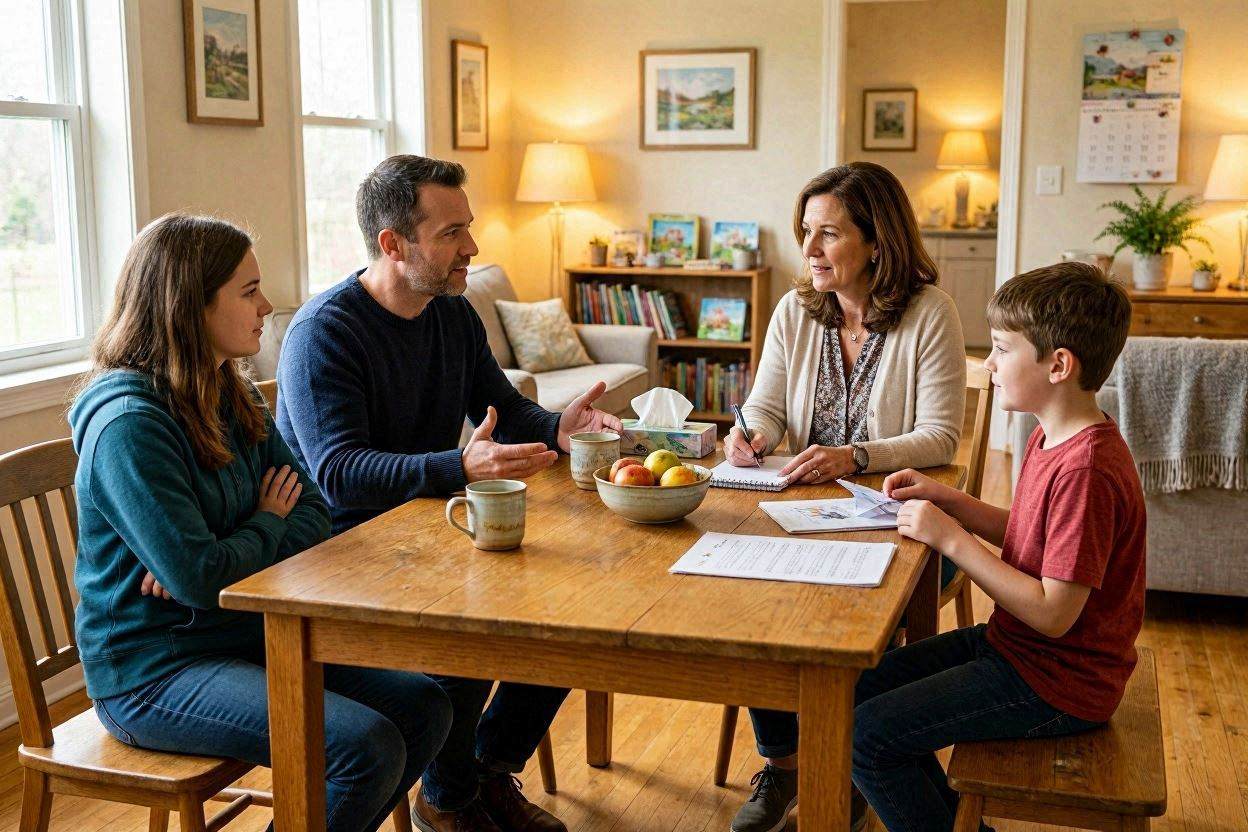
Problem: Small Emotional Wounds can Become Large Fractures when They are Ignored.
Root Cause: Pride, Competition, Favoritism, Unmet Expectations, and Poor Communication.
Strategic Response: Address Conflict Early, Honestly, and Gently Before It Hardens into Resentment.
KPIs: Conflict Resolution Time, Reconciliation Rate, Family Satisfaction, and Number of Unresolved Disputes.
0–12 Months: Create Space for Honest Conversations
1–3 Years: Build Reconciliation Habits
3–10 Years: Establish a Mature Conflict Culture
A Legacy Becomes Fragile when Old Pain is Carried in Silence for Too Long.
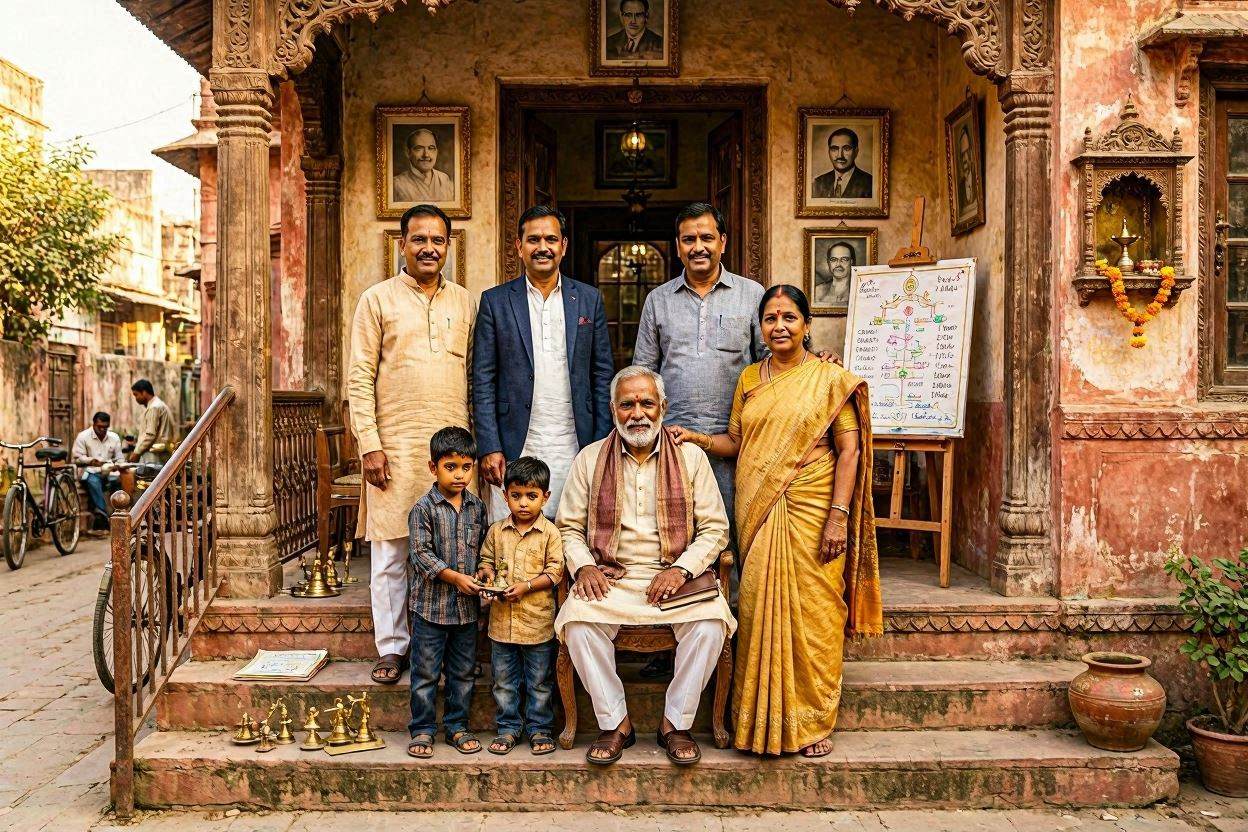
Problem: A Family Name can Be Weakened by Reckless Behavior, Dishonesty, or Public Discord.
Root Cause: Short-Term Gain, Ego, Poor Judgment, or Lack of Ethical Discipline.
Strategic Response: Protect the Family Name through Integrity, Public Dignity, and Consistent Conduct.
KPIs: Reputation Strength, Trust from Community, Ethical Incidents, and Brand Association Quality.
0–12 Months: Define Reputation Standards
1–3 Years: Reinforce Ethical Conduct
3–10 Years: Build a Respected Family Identity
A Family Name is a Quiet Treasure. It Takes Years to Build and Moments to Damage.

Problem: The Next Generation may Inherit Comfort, but Not Maturity, Discipline, or Purpose.
Root Cause: Overprotection, Undertraining, Entitlement, or Lack of Responsibility Early in Life.
Strategic Response: Raise Heirs as Capable Custodians, Not Passive Beneficiaries.
KPIs: Responsibility Level, Discipline, Decision Quality, Service Orientation, and Leadership Readiness.
0–12 Months: Assign Age-Appropriate Responsibility
1–3 Years: Build Discipline and Exposure
3–10 Years: Prepare Fully Capable Next-Generation Leaders
A Legacy Continues Only when the Next Generation is Strong enough to Carry It with Humility.
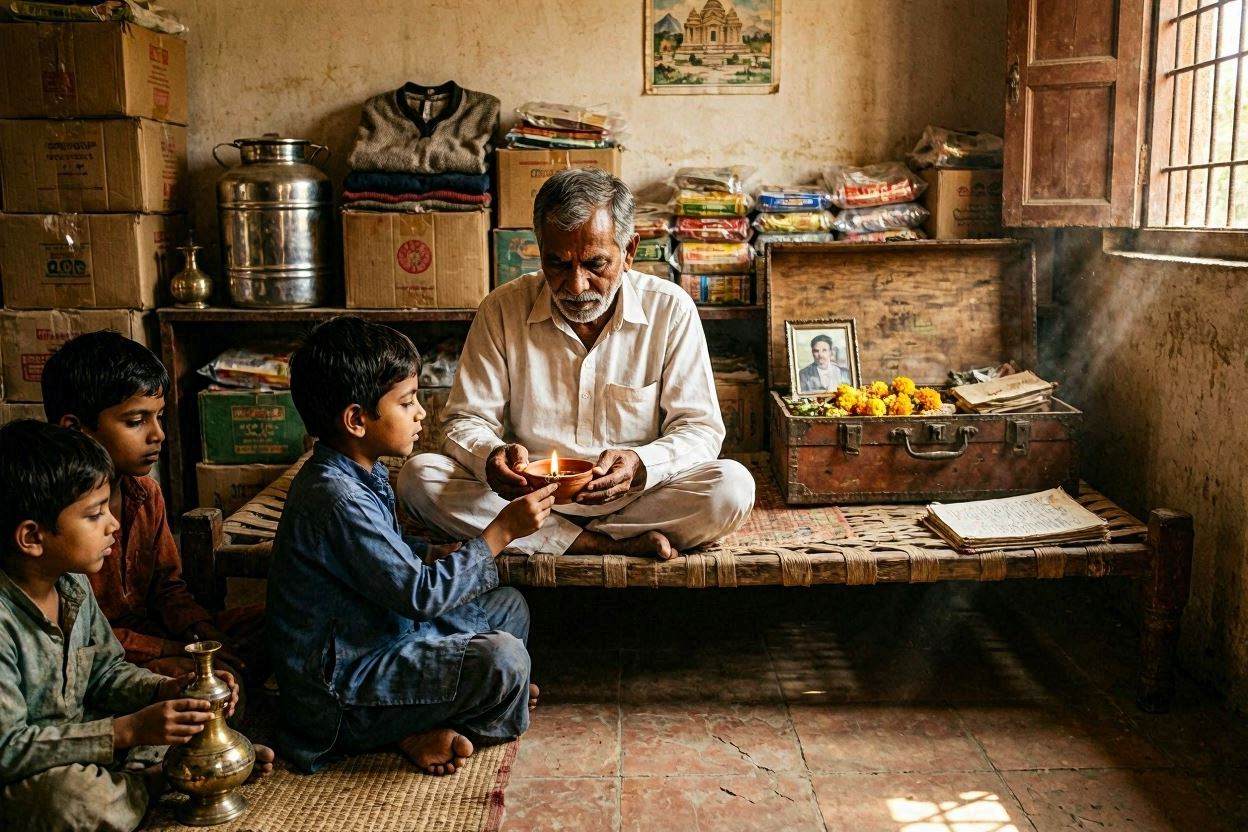
Problem: A Life can Be Spent Accumulating Things, Yet Leave Little Warmth, Wisdom, or Meaning Behind.
Root Cause: Success was Measured Only by Ownership, Not by Impact on People.
Strategic Response: Build a Legacy of Love, Service, Dignity, and Remembered Goodness.
KPIs: Family Memory Strength, Acts of Service, Gratitude, Emotional Impact, and Continuity of Values.
0–12 Months: Define What the Legacy Should Mean
1–3 Years: Embed Purpose into Daily Family Life
3–10 Years: Create a Legacy that Outlives Possessions
The Most Enduring Legacy is Often the One that Still Comforts People Long after Material Things are Gone.
A. Diagnose
Understand the Family’s Emotional, Financial, Legal, and Relational Reality.
B. Design
Create a Legacy Plan Covering Values, Succession, Inheritance, Family Governance, and Continuity.
C. Deploy
Start Living the Legacy Now through Daily Actions, Documents, Teaching, and Example.
D. Measure
Track Family Unity, Clarity, Readiness, Trust, and Emotional Health.
E. Improve
Refine the Legacy Plan Over Time as the Family Grows, Changes, and Faces New Realities.
Phase 1: Love and Unity
Build Emotional Safety, Respect, and Trust.
Phase 2: Clarity and Protection
Put Inheritance, Ownership, and Succession in Order.
Phase 3: Preparation and Continuity
Develop the Next Generation and Protect the Family Name.
Phase 4: Memory and Meaning
Create a Legacy that Lives in Values, Stories, Service, and Dignity.