NOTIFICATIONSANNOUNCEMENTS ➔➔
➔➔
CONTACT
Click on the Arrows to Go Up or Go Down.
Click Again to Pause Anywhere.
Double Click to Go Non-Stop.
1 / 1
Problem | Root Cause | Strategic Response | KPIs | Implementation Timeline | Risk Controls

Problem: Large Populations remain trapped in Low-Income Conditions while Wealth and Opportunity are concentrated in a few Hands.
Root Cause: Unequal Access to Education, Capital, Markets, Inheritance, and Networks.
Impact: Social Unrest, Crime, Poor Health, Weak Productivity, and Generational Stagnation.
Strategy: Build Inclusive Access Systems for Education, Employment, Entrepreneurship, and Financial Support.
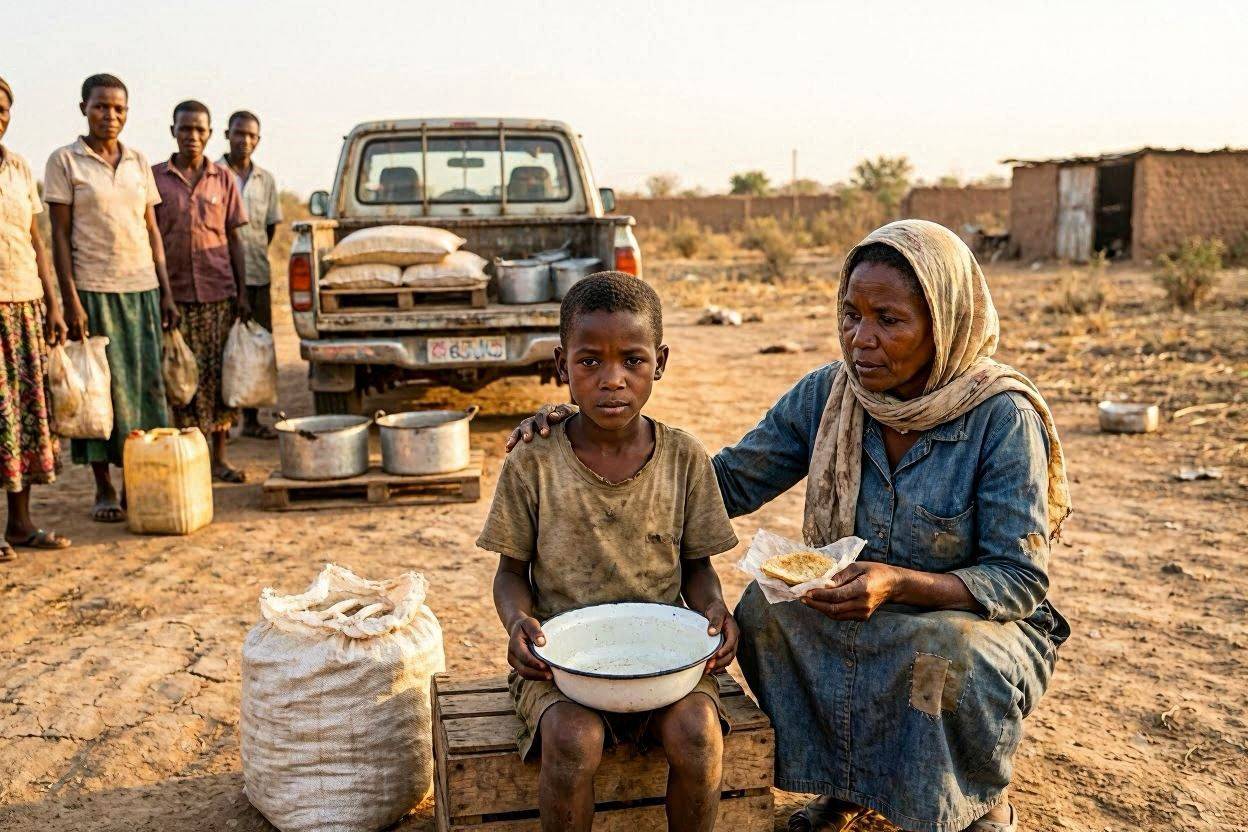
Problem: Millions lack Regular Access to Safe, Nutritious, and Affordable Food.
Root Cause: Poor Distribution, Poverty, Climate Stress, Conflict, and Weak Agricultural Systems.
Impact: Stunting, Weakness, Low Learning Capacity, Poor Immunity, and Reduced National Productivity.
Strategy: Strengthen Food Systems from Production to Distribution to Nutrition Education.
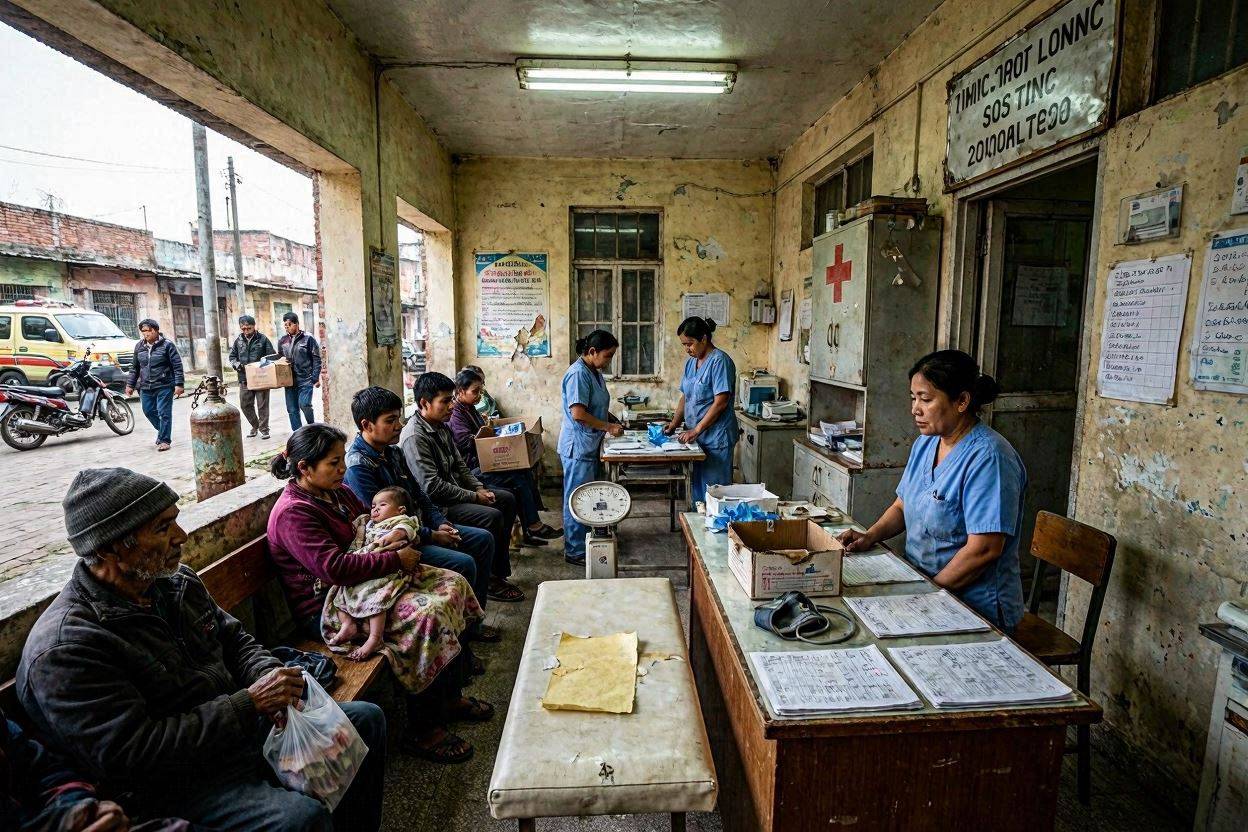
Problem: People face Disease, Weak Medical Access, and Inadequate Preventive Care.
Root Cause: Unequal Healthcare Infrastructure, Shortage of Professionals, Poor Public Health Systems, and Low Awareness.
Impact: Early Deaths, Financial Burden, Reduced Workforce Strength, and Pandemic Vulnerability.
Strategy: Shift from Treatment-Only Systems to Preventive, Affordable, and Scalable Care.
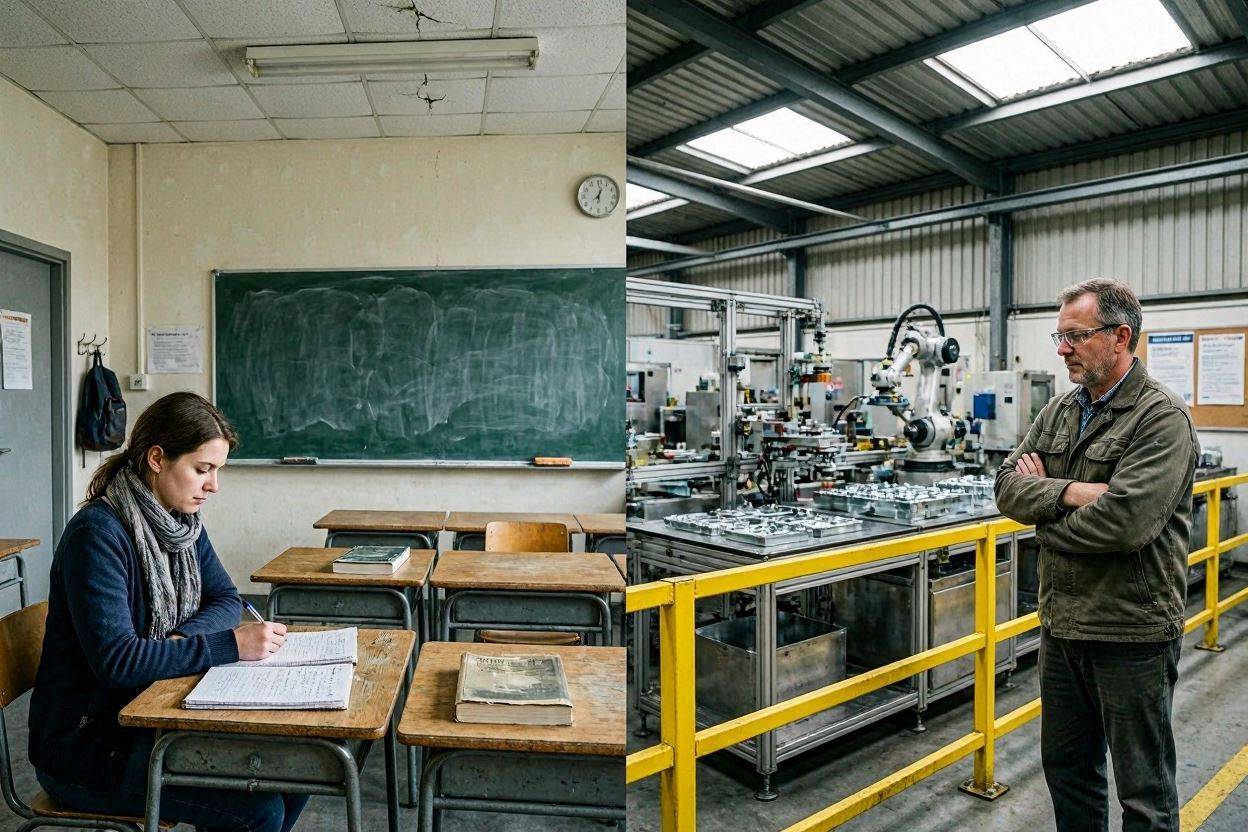
Problem: Many People lack Quality Education, and many Educated People lack Practical Skills.
Root Cause: Outdated Curricula, Unequal Access, Weak Teaching Quality, and Disconnected Learning Systems.
Impact: Unemployment, Low Innovation, Weak Leadership, and Economic Stagnation.
Strategy: Create Learning Systems aligned with Life, Work, Leadership, and Technology.

Problem: People are unable to find Stable, Meaningful, and Sufficient Work.
Root Cause: Slow Job Creation, Weak Industry Development, Automation Shocks, and Poor Economic Planning.
Impact: Poverty, Migration Pressure, Frustration, Social Instability, and Loss of Human Potential.
Strategy: Create Diversified Employment Ecosystems and Enterprise-Led Growth.

Problem: Armed Conflict and Political Breakdown destroy Lives, Systems, and Trust.
Root Cause: Power Struggles, Identity Divisions, Resource Competition, Weak Governance, and Unresolved Grievances.
Impact: Death, Displacement, Economic Collapse, Trauma, and Long-Term Instability.
Strategy: Build Peace through Institutions, Dialogue, Justice, and Early Conflict Prevention.
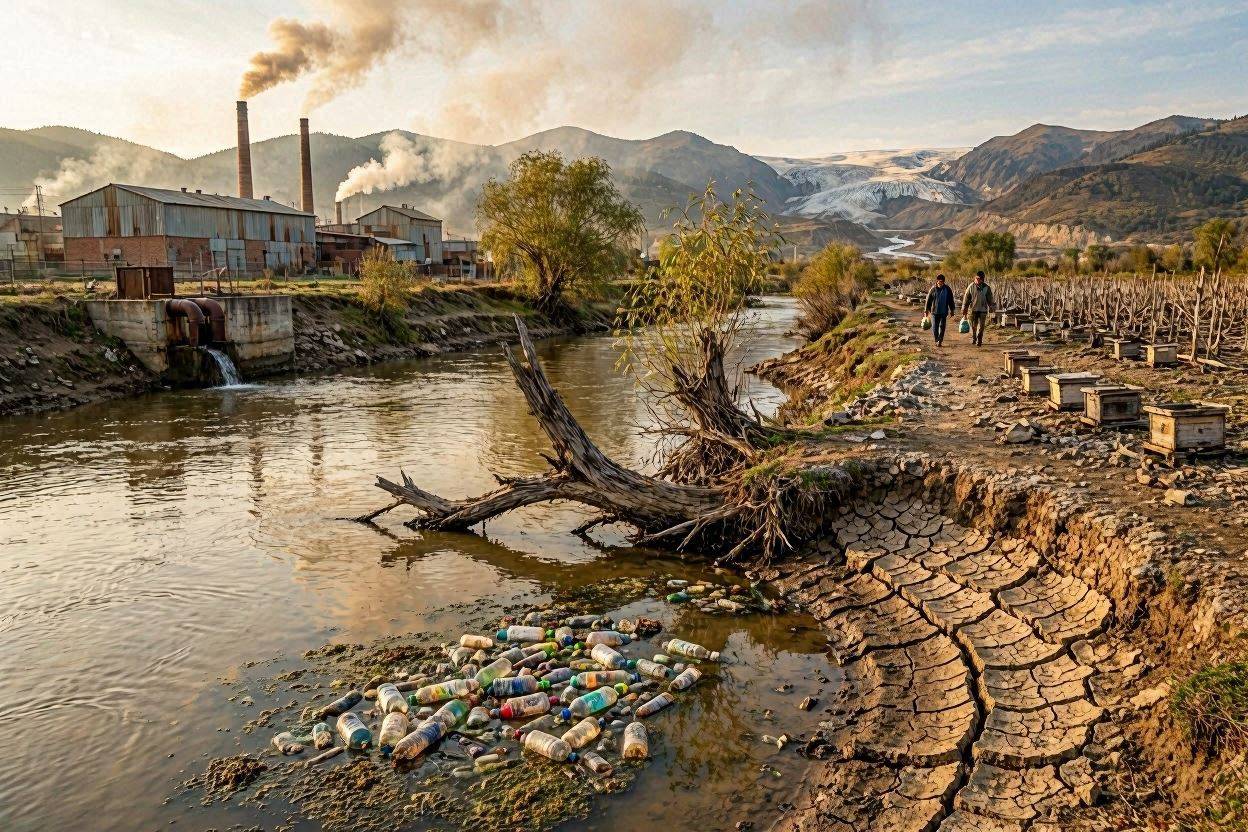
Problem: Human Activity is damaging the Planet’s Air, Water, Land, and Climate Systems.
Root Cause: Overconsumption, Fossil Fuel Dependence, Deforestation, Pollution, and Weak Regulation.
Impact: Extreme Weather, Crop Failure, Disease, Displacement, and Ecosystem Collapse.
Strategy: Transition to Sustainable Development and Regenerative Resource Use.

Problem: Public and Private Systems often fail due to Misuse of Power and Weak Accountability.
Root Cause: Low Transparency, Poor Enforcement, Political Capture, and Weak Civic Ethics.
Impact: Waste of Resources, Injustice, Public Distrust, Inefficiency, and Stalled Development.
Strategy: Build Transparent, Accountable, and Performance-Driven Institutions.

Problem: Communities are becoming Divided, Distrustful, and Emotionally Disconnected.
Root Cause: Identity Conflict, Economic Pressure, Social Media Polarization, and Weakened Moral Education.
Impact: Violence, Loneliness, Discrimination, Family Breakdown, and Declining Social Cohesion.
Strategy: Rebuild Trust, Empathy, Shared Identity, and Community Responsibility.

Problem: Technology is advancing faster than Society’s Ability to Govern and Use it Responsibly.
Root Cause: Rapid Innovation, Weak Digital Literacy, Profit-Driven Platforms, and Limited Regulation.
Impact: Addiction, Privacy Loss, Misinformation, Cybercrime, and Job Displacement.
Strategy: Humanize Technology through Ethics, Literacy, Regulation, and Responsible Design.
A. Diagnose
Find the Real Problem, not just the Visible Symptom.
B. Design
Create Strategy with Clear Objectives, Owners, and Measurable Targets.
C. Deploy
Turn Strategy into Programs, Partnerships, and Field Execution.
D. Measure
Track Progress through Dashboards, Audits, and Field Feedback.
E. Improve
Refine Continuously using Evidence and Results.
Phase 1: Survival
Food, Water, Health, Safety, Shelter
Phase 2: Stability
Peace, Governance, Justice, Trust
Phase 3: Growth
Education, Jobs, Prosperity, Innovation
Phase 4: Future Readiness
Climate Resilience, Technology Governance, Social Cohesion, Long-Term Planning